Yotam Lavie
About Me
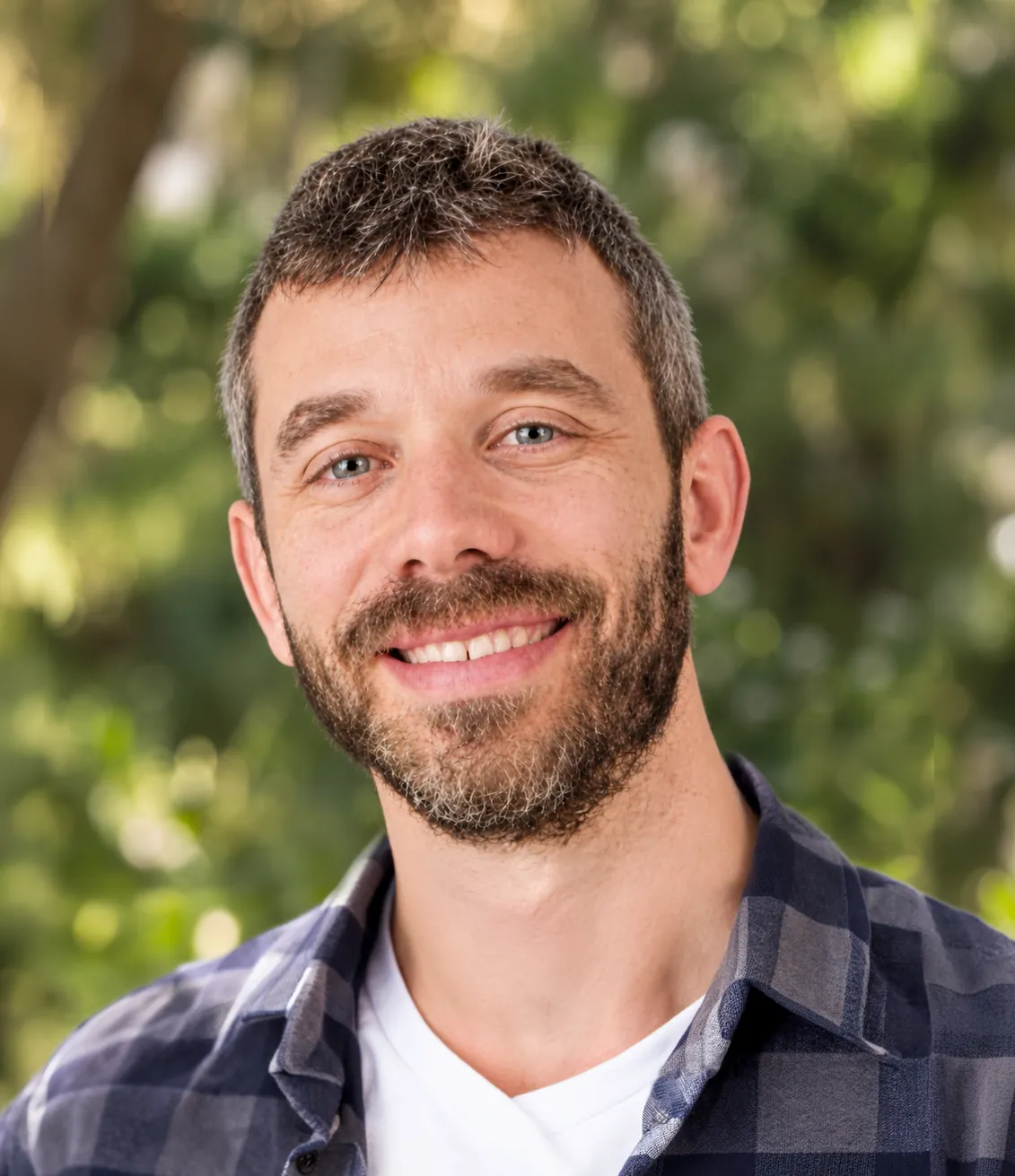
Hello, I'm Yotam.
I am a psychotherapist, group facilitator, therapist supervisor, and lecturer. I hold an M.A. in Group Facilitation and am a doctoral researcher at the School of Therapy, Counseling and Human Development at the University of Haifa. I am also a senior lecturer in the Holistic Psychotherapy program at Reidman College.
My approach to psychotherapy is grounded in a human, down-to-earth encounter and in the shared human search for well-being, meaning, and a way of meeting the difficulties that life inevitably brings. Over the years, I have accompanied hundreds of people in individual therapy, process-oriented groups, and professional training programs for therapists.
For many years, I have also studied and taught Buddhism in a variety of settings. In my understanding of the human mind and of what enables healing and growth, I bring together insights from Buddhist wisdom and Western psychology. I am interested in the meeting point between these traditions, and in the ways they can illuminate one another.
In working with each person, I look for the approaches and practices that can best support their particular needs, whether in developing greater psychological well-being, inner freedom and resilience, cultivating a more supportive relationship with themselves, experiencing greater satisfaction and joy, or developing a stronger sense of agency in their own lives.
Over the years, my work has repeatedly shown me the remarkable capacities for healing and transformation that people possess. Even in difficult circumstances, I believe there can be possibilities for meaningful change, both in how we experience our lives and in the lives themselves.
Research
My doctoral research at the School of Therapy, Counseling and Human Development at the University of Haifa focuses on the sustained practice of stream-of-consciousness writing as a therapeutic and self-help practice.
The study is qualitative and is based on in-depth interviews with people who have engaged regularly in this form of writing over an extended period of time. Rather than asking simply whether the practice is beneficial, the research seeks to understand its lived experience: what it is like to engage in the practice over time, what people experience as changing through it, and how it may shape their relationship with themselves and their lives.
The research also explores the psychological and experiential dimensions of the practice, including its relationship with spirituality and meditation, as well as its potential relevance to different therapeutic contexts.
A central interest of the research is to develop a deeper, phenomenological understanding of what happens through sustained stream-of-consciousness writing: not only what people say the practice does for them, but how they experience it from within and how it becomes woven into their lives over time.